
If your dentist has told you that you need a root canal, your first thought might be, how much is this going to hurt? It is one of the most common fears in dentistry—and one of the most misunderstood. Many patients assume a root canal is far more painful than a filling. But the truth is quite different from what most people expect.
If you have been searching for a dentist in Winkler and have questions about root canal therapy, this guide will put your mind at ease.
Where Does the Fear Come From?
The reputation of root canal therapy as a painful procedure comes largely from the past. Decades ago, dental techniques and anesthetics were not as advanced as they are today. Procedures that are now routine and comfortable were genuinely more difficult to manage back then.
How things are different today! Modern anesthetics work well, and the methods that dentists use are very different and much improved. To be frank, most patients are a little surprised at how manageable it all is.
What Does Root Canal Therapy Actually Involve?
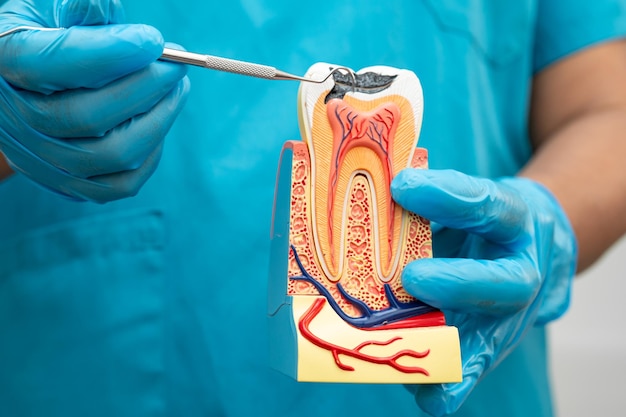
Root canal therapy in Winkler is a procedure used to treat a tooth that has become infected or severely inflamed on the inside. Inside every tooth is a soft layer called the pulp, which contains nerves and blood vessels.
When the pulp becomes infected—from deep decay, a crack, or trauma—it causes significant pain. The root canal procedure removes this infected tissue, cleans the inside of the tooth carefully, and seals it so the infection cannot return.
After the procedure, a crown is usually placed over the tooth to protect it and restore its full strength.
So, Does It Hurt More Than a Filling?
Here is the honest answer: no — not the procedure itself.
Both a filling and a root canal are performed under local anesthesia. The area is completely numb before the dentist begins. For a filling, you feel nothing while the decay is removed and the tooth is restored. For a root canal, the same numbing applies — the infected tissue is removed while you feel little to no discomfort.
In fact, the pain most people associate with a root canal is the pain from the infection itself—not the treatment. By the time a dentist near you begins the procedure, the anesthetic has already taken effect, and you are comfortable throughout.
A root canal does take longer than a filling because there is more work involved. But in terms of discomfort during the procedure, most patients find it very similar.
What About After the Procedure?
This is where there is a small difference. After a root canal, it is common to feel some tenderness or mild soreness in the area for a few days. This is simply your body healing from the inflammation that was present inside the tooth.
Over-the-counter pain relief is usually all that is needed to manage any post-procedure soreness. Most people return to their normal routine the same day or the day after.
After a filling, recovery is typically quicker because the procedure is simpler. But the difference in recovery between a small filling and a root canal is much less significant than most people expect.
When Should You Seek Root Canal Therapy?
Root canal therapy near you is needed when a tooth has reached a stage where the inner pulp is infected or dying. Waiting too long only allows the infection to grow and spread—making treatment more complicated and recovery longer.
Signs that a root canal may be needed include:
- Severe or persistent toothache
- Sensitivity to hot or cold that does not go away quickly
- Swelling or a small bump on the gum near the painful tooth
- A tooth that has darkened in color
- Pain that wakes you up at night
If you notice any of these signs, getting it checked promptly is always the right move.
Comfortable Care Is Closer Than You Think — Visit Aspire Dental Centre
Fear of pain should never be the reason you put off dental care. Modern dentistry has made procedures like root canal therapy far more comfortable than their reputation suggests—and your long-term oral health is worth protecting.
At Aspire Dental Centre, the team is committed to making every patient feel safe, informed, and comfortable at every step. If you have concerns about an upcoming procedure or want to get a tooth checked out, book your appointment today. Relief is closer than you think.
Frequently Asked Questions
Q1: How long does root canal therapy take to complete?
The vast majority of root canal treatments are performed in 1 or 2 appointments, and the time for these visits is usually between 60 and 90 minutes. Complex cases may require a 3rd appointment.
Q2: Will I be awake during a root canal?
Yes. Root canal therapy is performed under local anesthesia, which means you are fully awake, but the area is completely numb. You will feel pressure but not pain during the procedure.
Q3: What happens if I do not get a root canal when I need one?
The infection will continue to grow and spread. It can damage the surrounding bone, cause an abscess, and eventually lead to tooth loss. Early treatment is always simpler and more effective.
Q4: How long is the recovery period after a root canal?
Usually, you’ll feel comfortable again in about a couple of days. Some pain in the surrounding area is quite normal after the procedure but should easily be handled with over-the-counter pain medication. While healing time for the gum surrounding the tooth is longer, you won’t typically need to do anything particular for this to occur.