
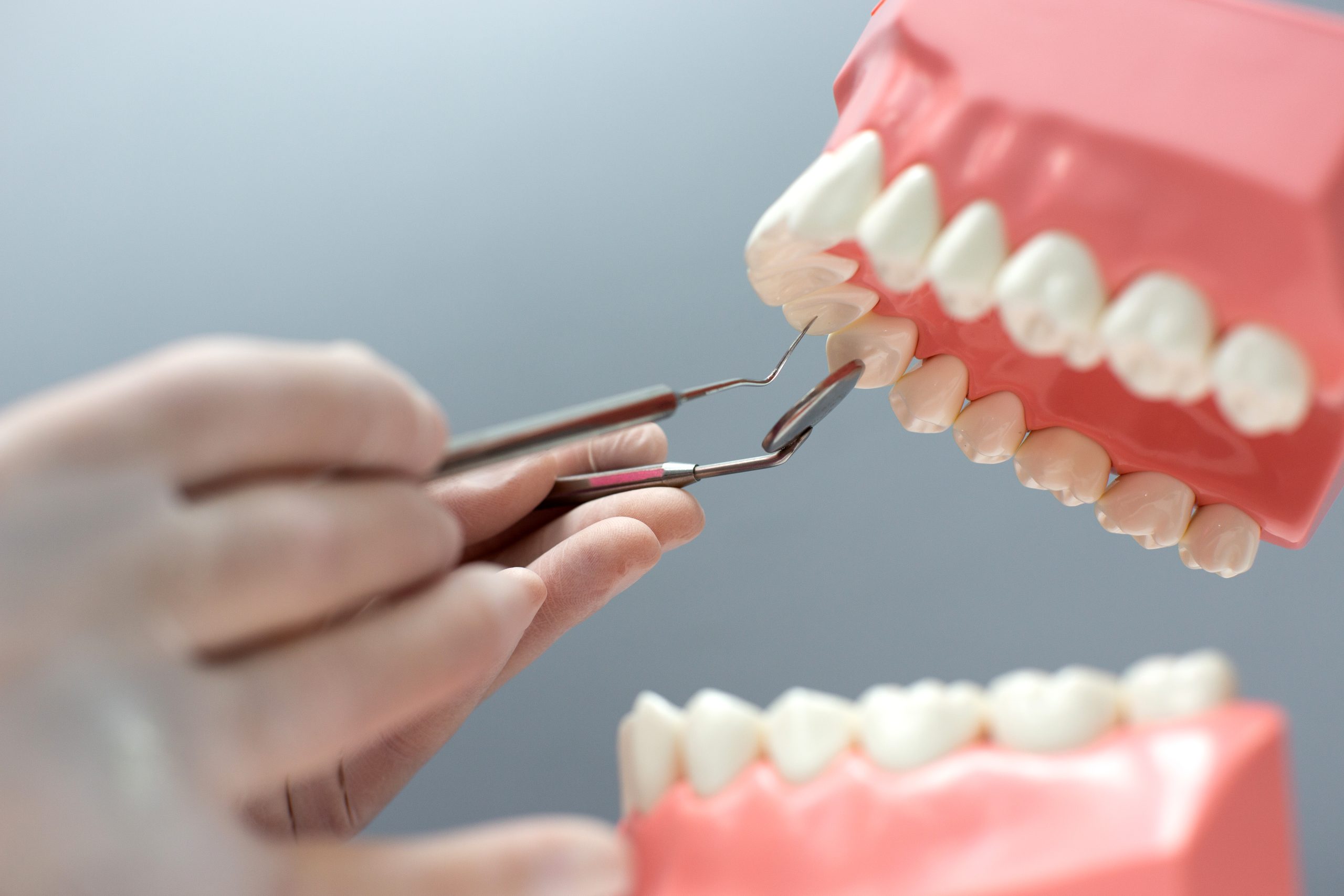
A damaged tooth can affect chewing, comfort, and the overall appearance of the smile. A tooth that has lost significant support may require a dental crown for protection. Dental crowns in Portage La Prairie protect weakened teeth while helping restore their function and appearance. Thus, the tooth will be better equipped to take on the stresses of everyday chewing.
The right treatment depends on the tooth’s condition, the amount of healthy structure remaining, and the level of protection needed.
What Is a Dental Crown and How Does It Restore a Tooth?
A custom-made dental Crown is placed over a weak or damaged tooth. It protects the tooth, covers its visible part, and helps prevent further damage.
A crown may assist in recovery:
- Tooth strength after major damage.
- Ability to chew normally.
- The form and appearance of a weak tooth.
- Safety following specific dental procedures.
A filling fixes a small amount of damage to a tooth, whereas a crown caps the entire tooth when it needs help.
When Is a Dental Crown Needed for a Damaged Tooth?
A dental crown may be the best option when a tooth has more damage than a filling can repair.
Common situations where a crown may be recommended include:
- A large cavity that has weakened the tooth
- A cracked or broken tooth
- A tooth that has received root canal treatment
- A worn-down tooth that needs additional protection
- A tooth with a large existing filling and limited natural structure
A dental examination at a dental clinic near you helps determine whether a crown is suitable based on the tooth’s condition.
Why Are Dental Crowns Used After Root Canal Treatment?
A tooth that has had a root canal may become weaker because the damaged tissue inside has been removed. In many cases, a crown is placed afterward to give the tooth extra strength and protection.
A crown helps:
- Protect the remaining part of the tooth.
- Lower the chance of more damage.
- Bring back the tooth’s natural shape.
- Help the tooth work properly.
The need for a crown depends on the tooth’s location and the amount of healthy tooth structure remaining.
How Do Dental Crowns Protect Weak or Damaged Teeth?
When a tooth loses strength due to decay, cracks, or wear, everyday biting pressure may increase the risk of further damage. A crown acts as a protective layer around the tooth.
Dental crowns near you can help support teeth that need more coverage than other restorative options can provide.
A crown may be considered when:
- The tooth has extensive damage.
- The tooth needs reinforcement.
- The appearance of a damaged tooth needs improvement.
- A previous restoration is no longer providing enough support.
What Happens During the Dental Crown Process?
Getting a dental crown usually involves a few steps to prepare and restore the tooth.
The process may include:
- Examining the tooth and checking its condition.
- Removing damaged areas and preparing the tooth for the crown.
- Taking impressions or digital scans to create a proper fit.
- Placing a temporary crown if needed while the final crown is being prepared.
- Attaching the permanent crown once it is ready.
A properly fitted crown is designed to work with the surrounding teeth and support normal function.
How Are Dental Crowns Different From Fillings?
The choice between a filling and a crown depends on the extent of the tooth’s damage.
A filling may be suitable for:
- Small to moderate cavities
- Minor areas of tooth damage
- Teeth with enough healthy structure remaining.
A crown may be more suitable for:
- Extensive tooth damage
- Teeth that need additional strength
- Teeth that cannot be restored with a filling alone
A dentist evaluates the tooth carefully before recommending the most appropriate option.
How Is the Right Crown Treatment Selected?
Every damaged tooth has different needs. Factors such as tooth location, bite pressure, and remaining tooth structure influence the recommended treatment.
At a dental clinic in Portage La Prairie, the evaluation may include:
- A dental examination
- Dental X-rays, when needed
- Discussion of symptoms and concerns
- Review of available treatment options
This helps determine whether a crown is the best option for restoring the tooth.
Protect Your Tooth and Renew Your Smile With Quality Care!
A weakened or damaged tooth deserves careful attention to help maintain its function, strength, and appearance. Schedule a consultation with Aspire Dental Centre to discuss suitable restoration options, receive a personalized evaluation, and receive professional support tailored to your dental needs.
FAQs
Does every damaged tooth need a dental crown?
No. Some damaged teeth can be repaired with fillings, bonding, or other treatments. A crown is needed when a tooth needs extra support and protection.
What’s the lifespan of a dental crown?
With proper care, a crown can last many years. Your lifespan depends solely on how well you brush, your chewing habits, and your regular dental visits.
Can a tooth crown look like a natural tooth?
Definitely, a crown is designed to resemble your natural teeth in hue, form and size.
Is the crown painful?
The dentist will make sure you are comfortable during the procedure. Crown work may leave you with some sensitivity, but it gets better over time.